Turning Down Split System Installs? The HVAC Regulatory Boundary Explained
You have the skills. You know the systems. But without a Cert 2 in split systems, you legally can't take the job. Here's what that boundary is — and how RPL crosses it.
The job you had to walk away from
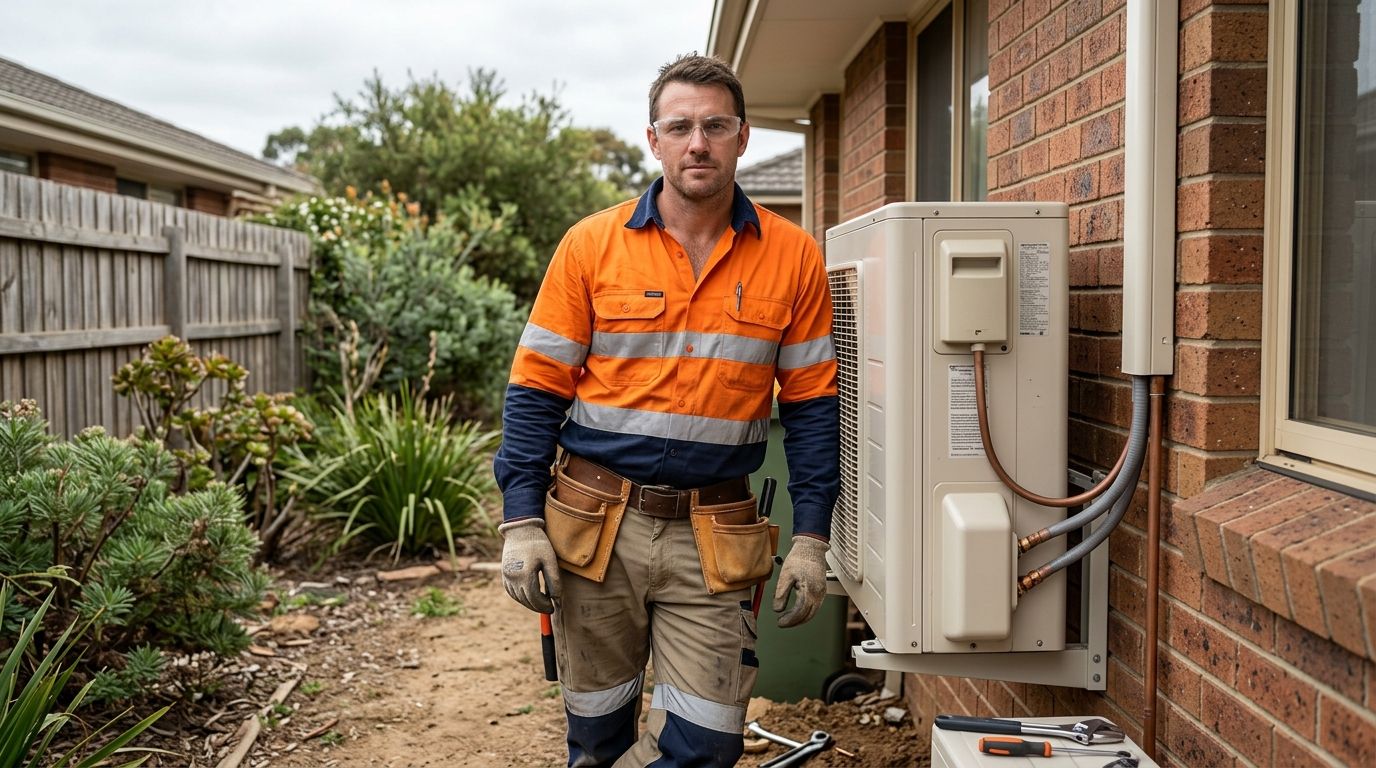
A regular client calls. They want a split system installed. You know the equipment. You have worked on the same units, handled the refrigerant lines, wired the indoor and outdoor heads on adjacent jobs. You could do this particular install without hesitation.
You say no.
Not because you lack the skill. Because you lack the specific piece of paper that says you are authorised to do it. The job goes to someone else — possibly someone with less hands-on experience than you — and you move on to the next call.
This is the HVAC regulatory boundary. It is not a skills gap. It is a recognition gap. And if you are a refrigeration mechanic, a plumber with heat pump experience, an electrician who wires split system installations, or a general HVAC technician from a commercial background, you have almost certainly run into it.
You have the experience. The formal system just does not have a document it can recognise yet.
What the regulatory boundary actually is
Split system installation in Australia sits at the intersection of two regulated domains: refrigerant handling and electrical work. Both carry specific licensing requirements, and neither automatically covers the other.
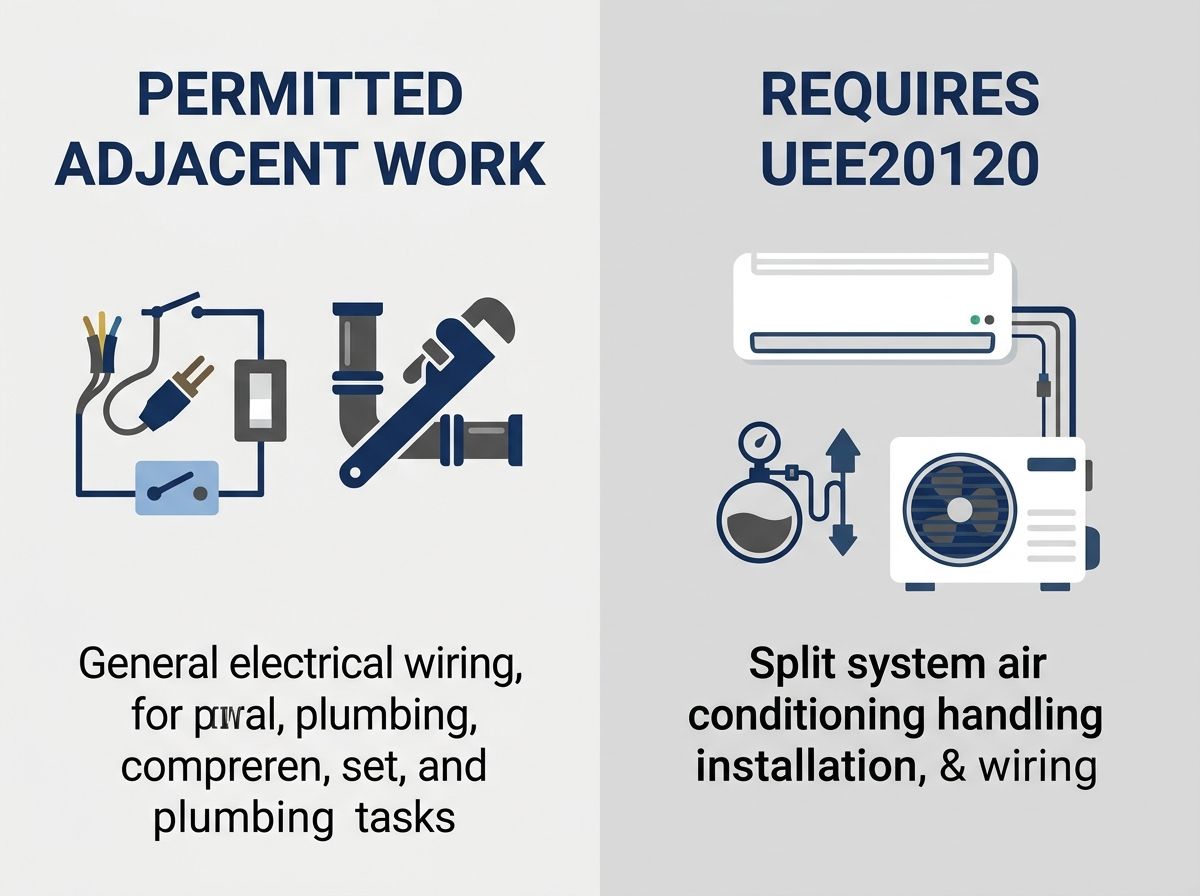
The refrigerant handling side is governed nationally. Working with refrigerants — including the installation, commissioning, and decommissioning of systems that contain them — requires an ARCtick licence issued by the Australian Refrigeration Council (ARC). This licence is tied to specific competency requirements. Holding a trade qualification in an adjacent field does not automatically satisfy the ARCtick requirement for split system installation work.
The electrical side is governed at the state and territory level. Each jurisdiction has its own licensing framework for electrical work, and the rules around who can connect and commission the electrical components of a split system vary. Check with your state or territory electrical safety regulator for the requirements that apply to you.
The Certificate II in Split Air Conditioning and Heat Pump Systems — qualification code UEE20120 — is the nationally recognised qualification that addresses the specific competencies required for split system installation. It is the credential that formally authorises the work within the broader licensing framework. Without it, the work sits outside what your existing qualifications cover, regardless of how capable you are.
Why your existing skills do not automatically cross the line
This is the part that frustrates experienced tradespeople most. The skills transfer. The credential does not.
A refrigeration mechanic may handle refrigerants on commercial systems every day. A plumber may install and commission heat pump hot water systems regularly. An electrician may wire the indoor and outdoor units on every split system job their company takes on. Each of these professionals is doing work that sits directly alongside split system installation — and in some cases, overlapping with it.
But the regulatory system is built around specific qualification codes, not demonstrated competence. The ARCtick licence and state electrical licensing frameworks recognise specific qualifications. Adjacent qualifications may cover some of the same ground, but they do not automatically satisfy the requirements for split system installation work. Whether any credit transfer applies between your existing qualification and UEE20120 depends on the specific qualification you hold and the RTO delivering the assessment — worth discussing directly with the RTO in an initial suitability conversation.
The system is not questioning your competence. It is asking for a specific piece of evidence it can recognise. That distinction matters — because it means the solution is not retraining. It is recognition.
The trades most affected by this boundary
The regulatory boundary around split system installation affects a specific group of experienced tradespeople. If you fall into one of these categories, turning down this kind of work is probably a familiar experience.
- Refrigeration mechanics: You work with refrigerants professionally. You understand the systems. But your existing licence and qualification may not specifically cover split system installation as a distinct scope of work.
- Plumbers with heat pump experience: You install and commission heat pump hot water systems. The mechanical and refrigerant principles are closely related. But the electrical and refrigerant handling requirements for split systems sit in a different regulatory space.
- Electricians: You wire the indoor and outdoor units. You understand the electrical side completely. But the refrigerant handling component of split system installation requires a separate qualification.
- Commercial HVAC technicians: You service and maintain large-scale systems. The technical knowledge runs deep. But commercial HVAC qualifications do not automatically extend to residential split system installation.
- General builders and tradies: You have been installing split systems as part of broader renovation or construction work, often informally. The regulatory framework has tightened, and what was once overlooked is now actively enforced.
Each of these backgrounds brings genuine, relevant competence to split system installation. The gap is not in the skills — it is in the specific qualification the regulatory framework requires.
What the Certificate II in Split Air Conditioning and Heat Pump Systems actually covers
The Certificate II in Split Air Conditioning and Heat Pump Systems (UEE20120) is a nationally recognised qualification under the Australian Skills Quality Authority (ASQA) framework. It covers the specific competencies required to install, commission, and maintain split system air conditioning and heat pump systems.
For an experienced tradie with adjacent HVAC skills, this qualification is not a course about how to do the work. It is a formal assessment of competencies you are likely already demonstrating. The units cover areas including safe work practices for refrigerant systems, installation and commissioning of split system equipment, and compliance with relevant Australian standards and regulatory requirements.
The full unit list and current qualification structure are published on training.gov.au under the code UEE20120. Reviewing those units against your existing experience is a useful first step in understanding how much of the qualification you can already demonstrate — and where any genuine gaps might be.
For someone with genuine adjacent experience, the qualification is not teaching you anything new. It is giving the regulator a document it can recognise. That is a meaningful distinction — and it is why RPL is a relevant pathway for many experienced tradies seeking this qualification.
The revenue you are leaving on the table
Every split system job you turn away is work your competitor takes. That is the straightforward commercial reality of the regulatory boundary.
Split system installation is one of the most consistently demanded residential and light commercial services in Australia. Demand peaks in summer but runs year-round. The labour component of a standard residential install represents meaningful revenue per job — and for a tradie already doing adjacent HVAC work, the marginal cost of adding split system installs to your scope is low once the qualification is in place.
The qualification is not a cost. It is an investment in the jobs you are already capable of doing — jobs you are currently turning away because the regulatory framework does not yet have the document it needs.
The skills are there. The market is there. The gap is the credential.
How RPL works for the Certificate II in Split Air Conditioning
Recognition of Prior Learning — RPL — is a formal assessment pathway that evaluates your existing competence against the units of a qualification. It does not require classroom attendance or repeating training for skills you already demonstrate. The assessment starts from what you already know, not from zero.
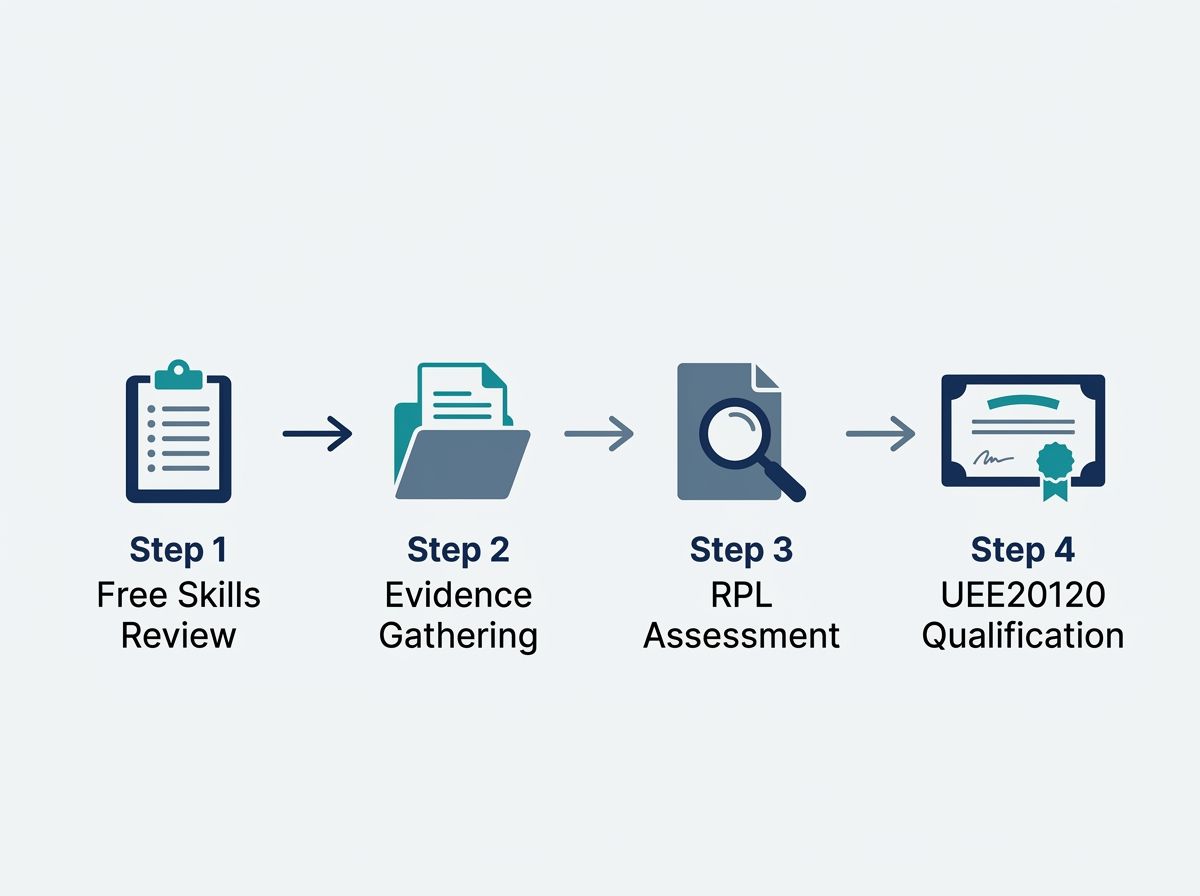
For a tradie with adjacent HVAC experience seeking UEE20120, RPL typically involves gathering evidence that demonstrates your existing competence across the qualification's units. The types of evidence RPL assessors commonly work with include job records and work logs, photographs of completed installations, employer or supervisor statements, records of relevant licences and prior qualifications, and documentation of work practices and safety procedures.
It is worth being clear about what RPL is and is not. RPL is a rigorous assessment process. It is not a shortcut or a way to bypass genuine competency requirements. If an assessor identifies genuine gaps between your existing experience and the qualification's requirements, gap training is available and is typically provided at no additional cost through the delivering RTO. The process is designed to recognise what you genuinely know — and to address what you do not.
The assessment is conducted by a qualified assessor from a registered training organisation (RTO). The RTO issues the qualification. RPL it guides candidates through the process — helping you document your experience as evidence and navigate the assessment pathway — but the assessment and qualification are the RTO's domain.
Is RPL the right path for you?
RPL for UEE20120 suits tradies with documented, hands-on experience in adjacent HVAC work — particularly those who have been regularly involved in the installation, commissioning, or maintenance of split system or closely related refrigerant-based equipment.
It is less suited for those with minimal direct exposure to the specific competencies the qualification covers. If your experience is primarily in servicing rather than installation, or in commercial systems with limited residential split system work, there may be genuine gaps that need attention before or during the assessment process.
The honest answer is: the right pathway depends on your specific experience. A suitability conversation before you commit to anything is the most efficient way to find out where you stand. That is exactly what the Free Skills Review is for — a no-pressure, no-obligation conversation about whether your experience is likely to support an RPL pathway, and what the process would look like for your situation.
The decision is yours. The first step is simply finding out.
If you are ready to explore the qualification itself, the Certificate II in Split Air Conditioning and Heat Pump Systems product page has the details you need.
Ready to Get Recognised?
Start with a free skills review to find out if RPL is right for you.